
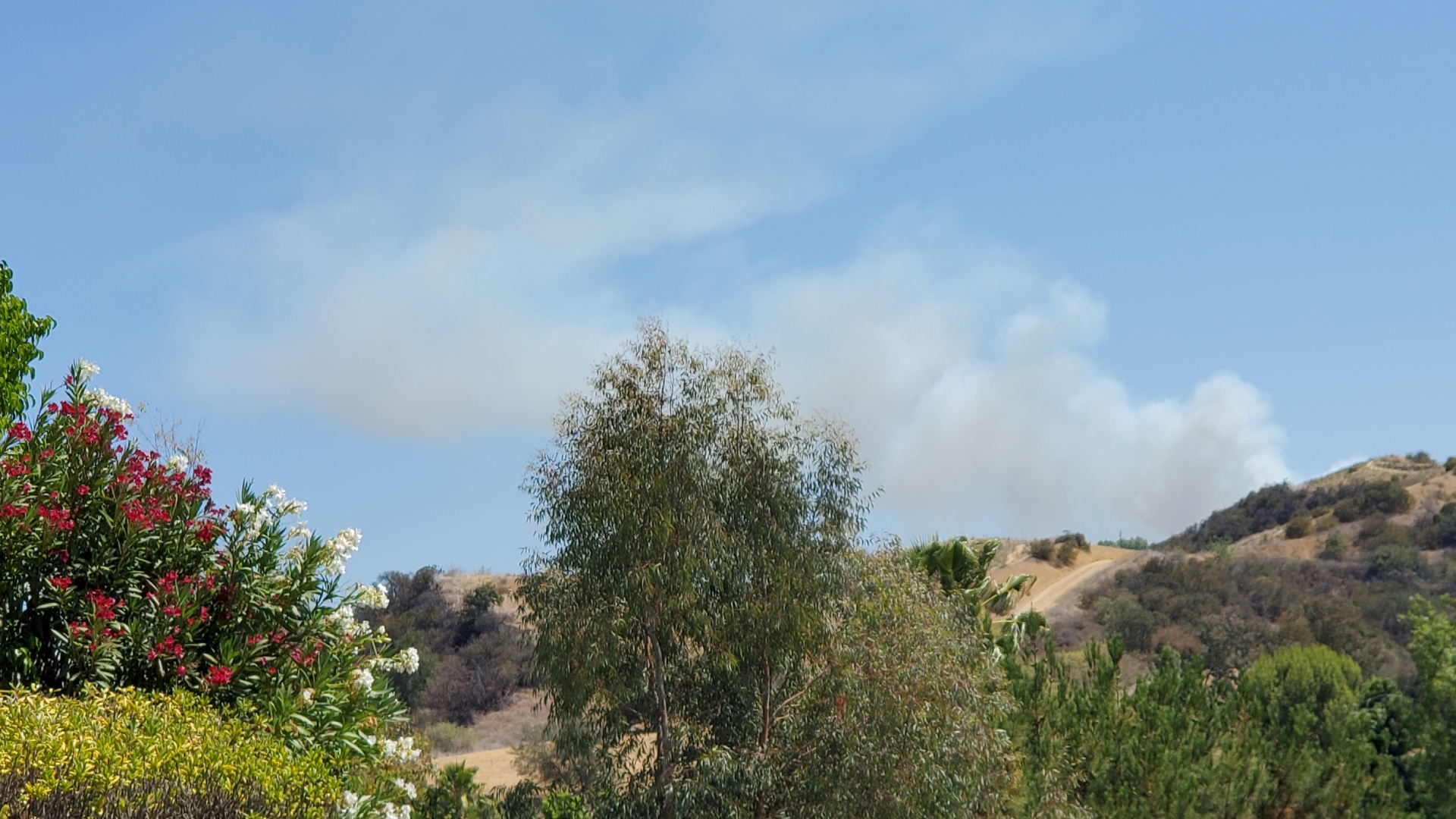

When people think about wildfire preparedness, they often picture clearing brush, cleaning gutters, or installing ember-resistant vents. Choosing the right plants—and placing them in the right locations—can help slow the spread of fire while creating a beautiful, water-wise landscape that supports local wildlife.

What Makes a Plant More Fire-Resistant?
No plant is completely fireproof. Under extreme wildfire conditions, any vegetation can burn. However, some plants are considered more fire-resistant because they generally have:
- High moisture content
- Low amounts of oils, waxes, or resins
- Open branching structures that don’t trap dead material
- Slower growth and less accumulation of dry leaves or twigs
Even the most fire-resistant plants can become hazardous if they’re overgrown, filled with dead material, or planted too closely together.
Landscaping Is Part of Defensible Space
Defensible space combines thoughtful landscaping with regular maintenance to reduce wildfire risk and improve firefighters’ ability to defend your home. A well-designed landscape should include:
✔ Healthy, well-watered plants
✔ Adequate spacing between shrubs and trees
✔ Regular pruning and removal of dead vegetation
✔ Separation between plants and your home’s siding, roof, decks, and fences
✔ Noncombustible features such as gravel, stone, pavers, or decomposed granite near your home’s foundation
Remember: the first 5 feet around your home—often called Zone 0—should be kept as ember-resistant as possible. This area is one of the most important parts of home hardening because wind-driven embers are responsible for igniting many homes during wildfires. California State Forestry is expected to finalize the Zone 0 requirements soon. We’ll keep you updated as soon as they’re released.
Fire-Resistant Plants That Perform Well in Our Area
Many California native and climate-appropriate plants are excellent choices because they’re adapted to our Mediterranean climate while requiring less water once established. Some favorites include:
- California lilac (Ceanothus)*
- California fuchsia
- Coral bells (Heuchera)
- Yarrow
- Toyon
- Cleveland sage
- California buckwheat
- Manzanita (selected varieties)
- Coffeeberry
These plants can provide seasonal color, attract pollinators, and support local ecosystems while fitting into a fire-smart landscape.

Rebates and Local Resources
If you’re considering replacing thirsty lawns with climate-appropriate landscaping, there are programs that may help. Residents served by Las Virgenes Municipal Water District (LVMWD) may qualify for:
- Turf replacement rebates
- Smart irrigation rebates
- Landscape transformation assistance
- Water-wise garden planning tools
- Climate-appropriate landscape resources
- Demonstration gardens for inspiration
LVMWD also offers landscape transformation resources, including plant databases, garden planning tools, recommendations for native plant nurseries, and links to additional conservation programs through the City of Calabasas.
Plant for Safety—and Beauty
Fire-resistant landscaping doesn’t mean creating a yard full of gravel and cactus. With thoughtful planning, you can enjoy colorful flowers, native shrubs, shade trees, and pollinator-friendly gardens that:
- Support birds, bees, and butterflies
- Require less maintenance
- Enhance your home’s curb appeal
Every yard is unique, but small changes today can create a more fire-resilient landscape tomorrow.
Looking for more ideas? The City’s comprehensive website now features a helpful guide to creating a fire-safe landscape from the Los Angeles County Fire Department.


